
The Urea Signal
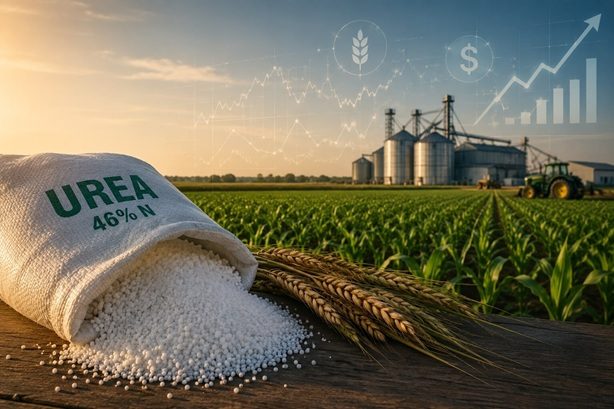
Urea is a leading indicator for food and trade-finance markets, not just an input cost. Because it sits upstream of the food chain and tracks natural gas, its price movements signal shifts in crop economics and margin pressure before they show up elsewhere.
Urea is a leading indicator, not just an input cost. It moves ahead of food-price pressure and trade-finance risk — which makes it a signal worth reading before it shows up in your margins.
Why urea leads
Urea sits upstream of the food chain. As the dominant nitrogen fertiliser, its price feeds into planting economics, which feed into crop supply a season later. It also tracks natural gas — its main feedstock — so it carries an energy signal too. That combination makes urea move ahead of the food-cost cycle, not with it.
Reading the signal now
Two things matter: the level and the spread to gas. A urea price rising faster than gas points to demand-led tightness — planting-driven, supportive of firmer crop prices ahead. A price rising with gas points to cost-push, which behaves differently. Distinguishing the two tells you whether to read the move as a demand signal or an energy signal.
Implications for trade finance
For anyone financing food-commodity flows, urea is an early-warning gauge. Rising urea today is a leading indicator of firmer crop and food prices — and the working-capital and margin pressure that follow. Pricing that into tenor, security and counterparty risk ahead of the move is the difference between reacting and positioning.
Urea moves ahead of the food-cost cycle. By the time it shows up in your margins, it has already told you.
- Urea leads the food-cost cycle; it doesn't move with it
- Watch the level and the spread to natural gas
- Demand-led vs cost-push moves carry different signals
- For trade finance, it's an early-warning gauge on food-price risk

Sahar Sayyad
Author, CARAVAN
Contributor to CARAVAN, QAA's market intelligence publication.